We’re just a few days away from the end of a wonderful break in sunny Spain. We’ve spent such a lovely time firstly as a family together and then with some of our dearest friends. We laughed, ate, drank (mostly soft drinks of course 😂), swam, chatted, and enjoyed some time away from the new normal that we have formed this year. I (Neil) wrote a post a few weeks ago about the guilt I was feeling about taking time away this summer. You can read properly about that here. I’m glad to say I haven’t felt that at all and I’ve appreciated once again how rest is such a gift to us.
The concept of rest is talked about on many occasions in the Scriptures, however the way rest is talked about in the book was very different from how we view it today. Often today we view resting simply as a necessity after activity or hard work. We see it as a reward for a job well done. We talk about how without it we would be in big trouble. To us, it is simply the absence of activity. It’s not that these are altogether untrue but they are not the full story of rest in the Scriptures. At the beginning of Genesis we hear about God resting but I don’t believe an everlasting God needs rest in order to survive or sustain His efforts. He isn’t rewarding Himself for a hard day’s work and He will feel no ill effects if He doesn’t rest. The rest that God instituted in the Bible speaks of something much bigger. In fact it is used in four different ways throughout the Bible;
- Completion – this comes from the sacred rest that God takes after creation. It is the cessation from work or activity, not necessarily because of tiredness, but a pause on purpose. This is where the concept of Sabbath rest is rooted.
- Peace – the sense of receiving comfort, being at peace within ourselves, and with those around us. It is often associated with a sense of divine presence.
- Space – this one speaks of a more physical idea of a calm, secure resting place. It can also be used as a metaphor for the soul’s peace and in the scriptures we see the Promised Land described this way.
- Eternity – of course the final type of rest we see referenced in the Scriptures is God’s final rest which is the ultimate spiritual rest that any of us can ever experience in God’s presence, now and eternally.
I wonder what our own lives would start to look like if we began to adopt the Biblical rhythms of rest? What would it take to move from using rest as recovery to using it as a restorative pause, a divine peace, in a secure place, all in preparation for the divine eternal rest that is to come?
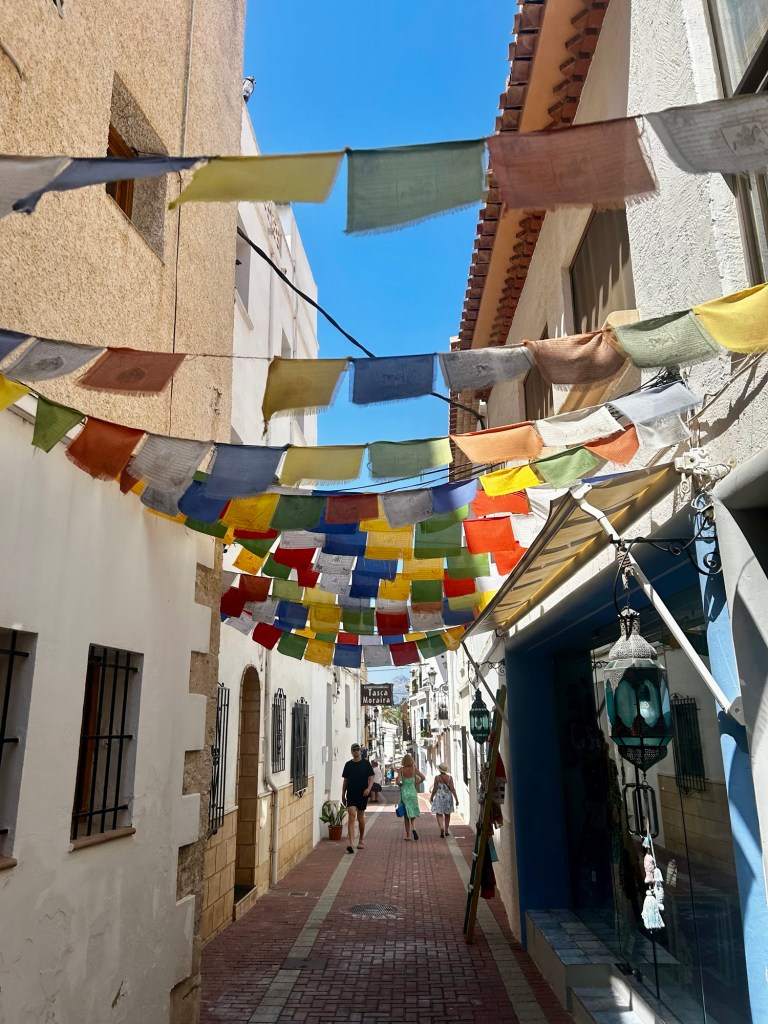
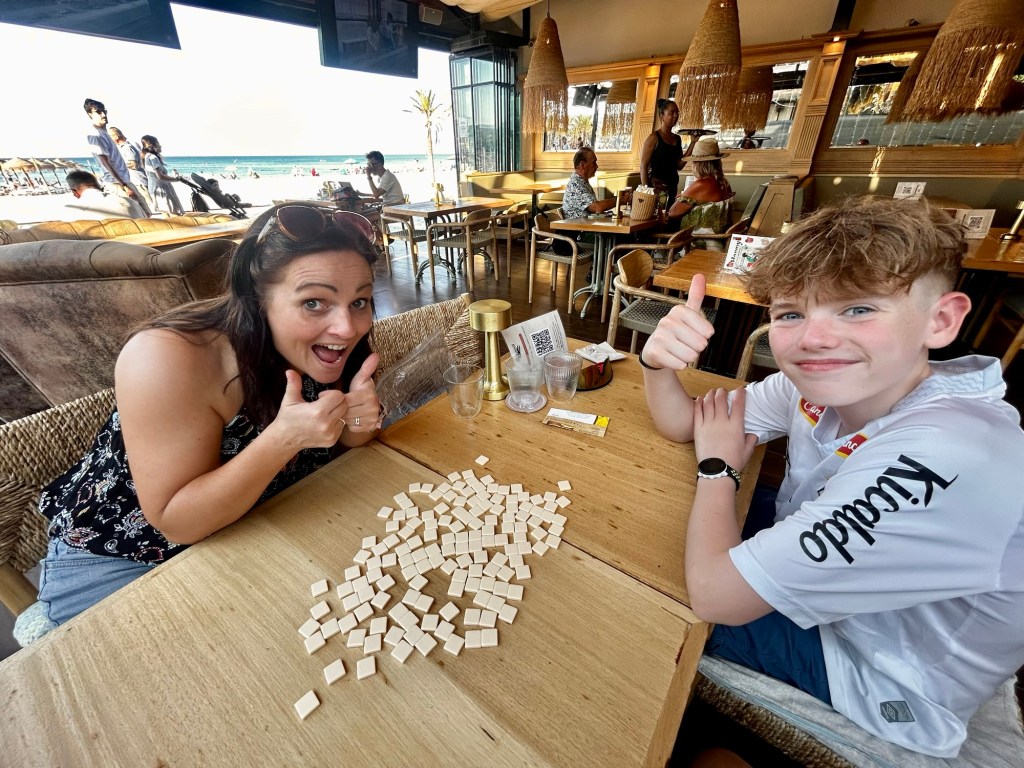
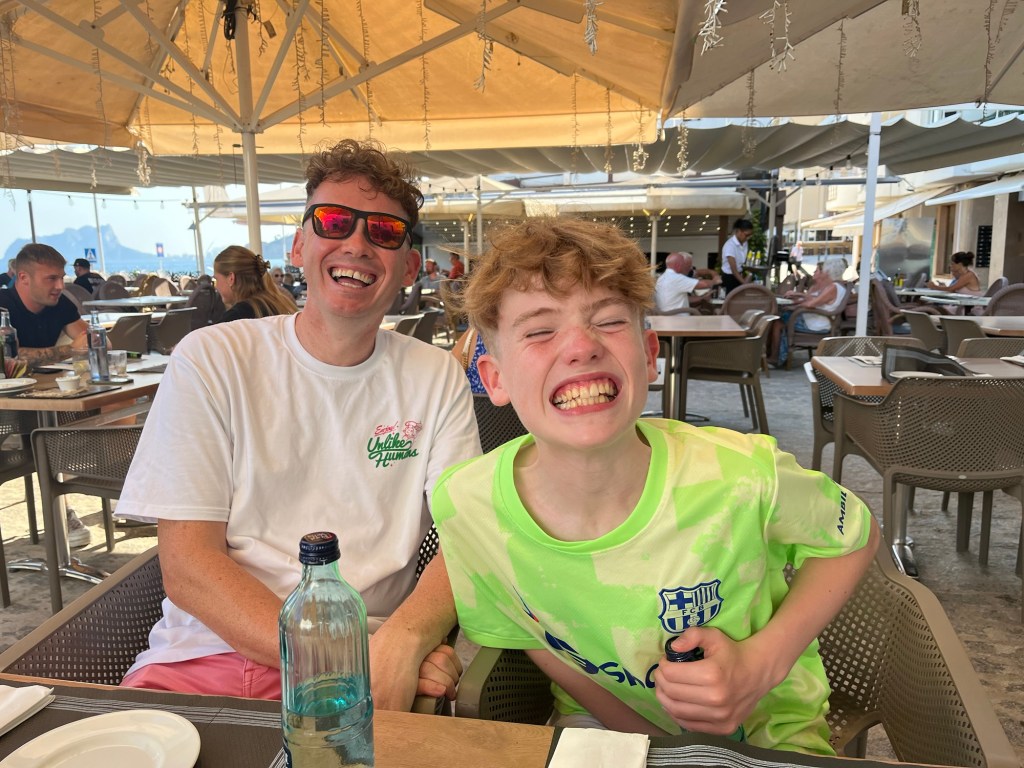
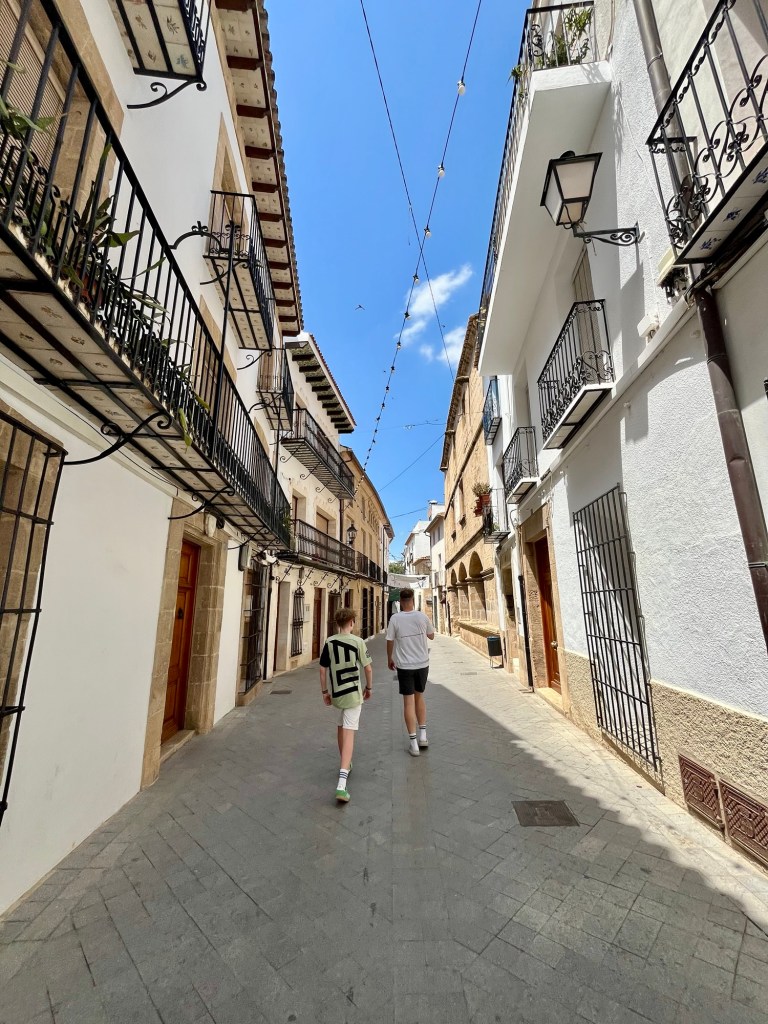
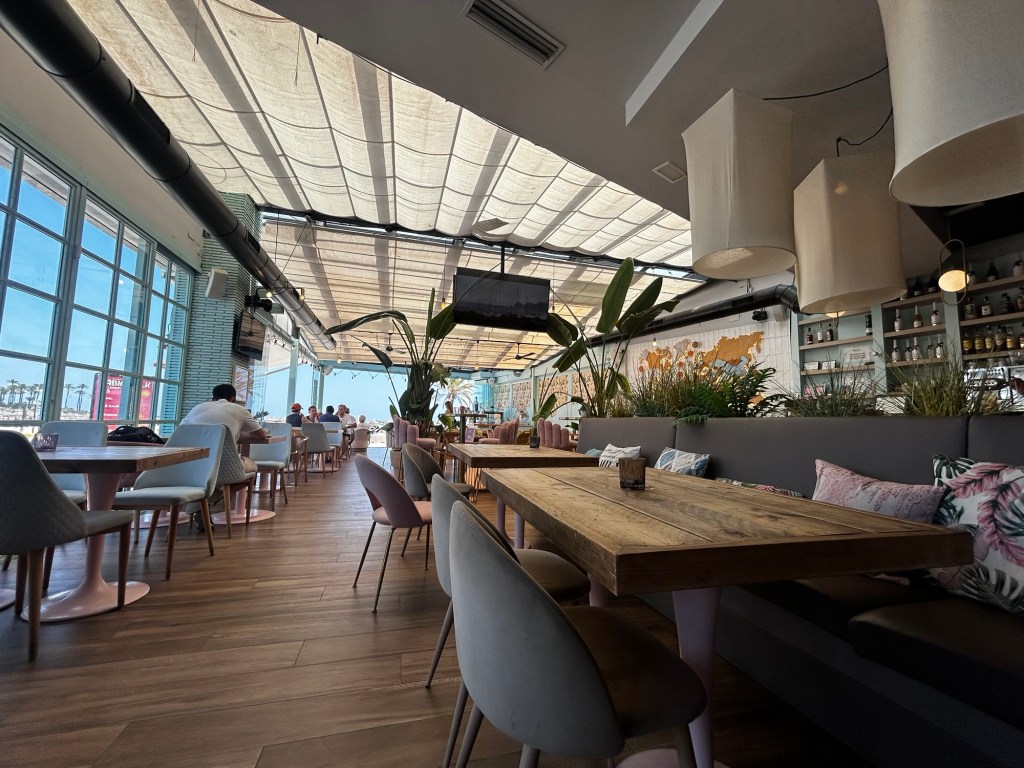
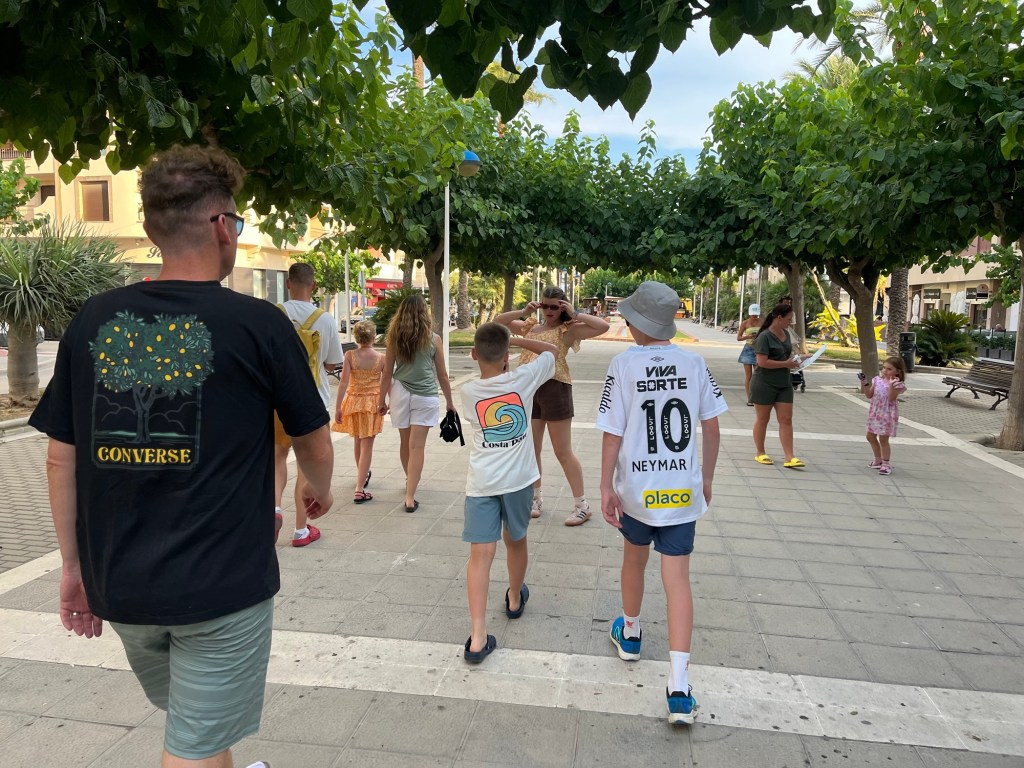
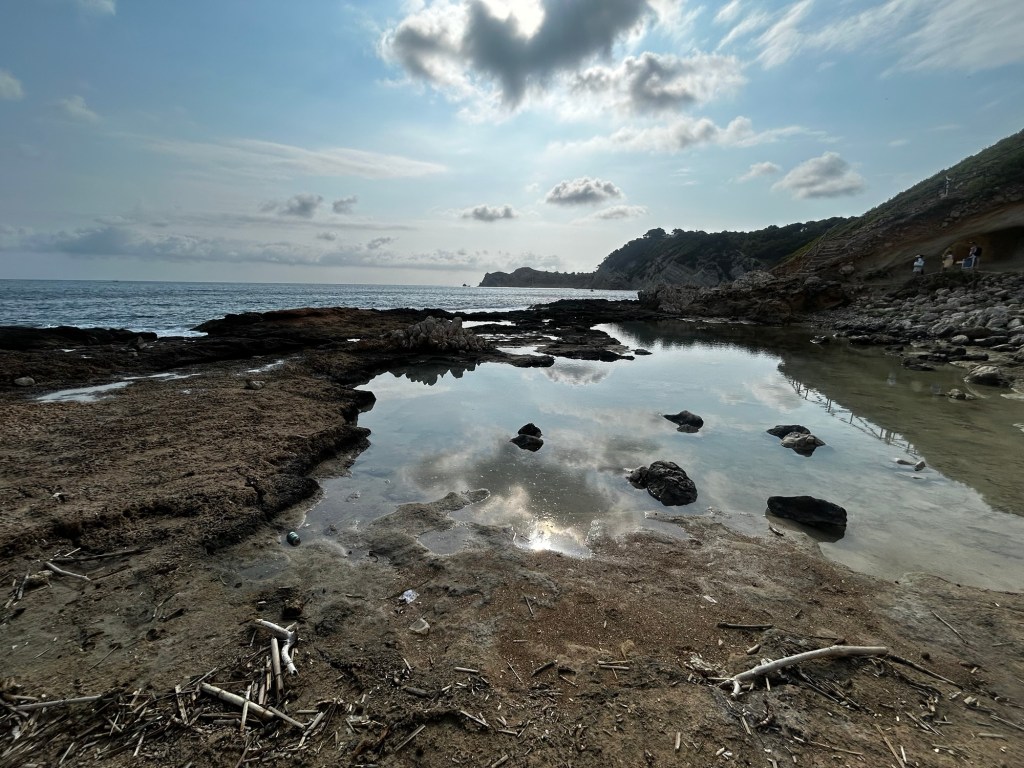
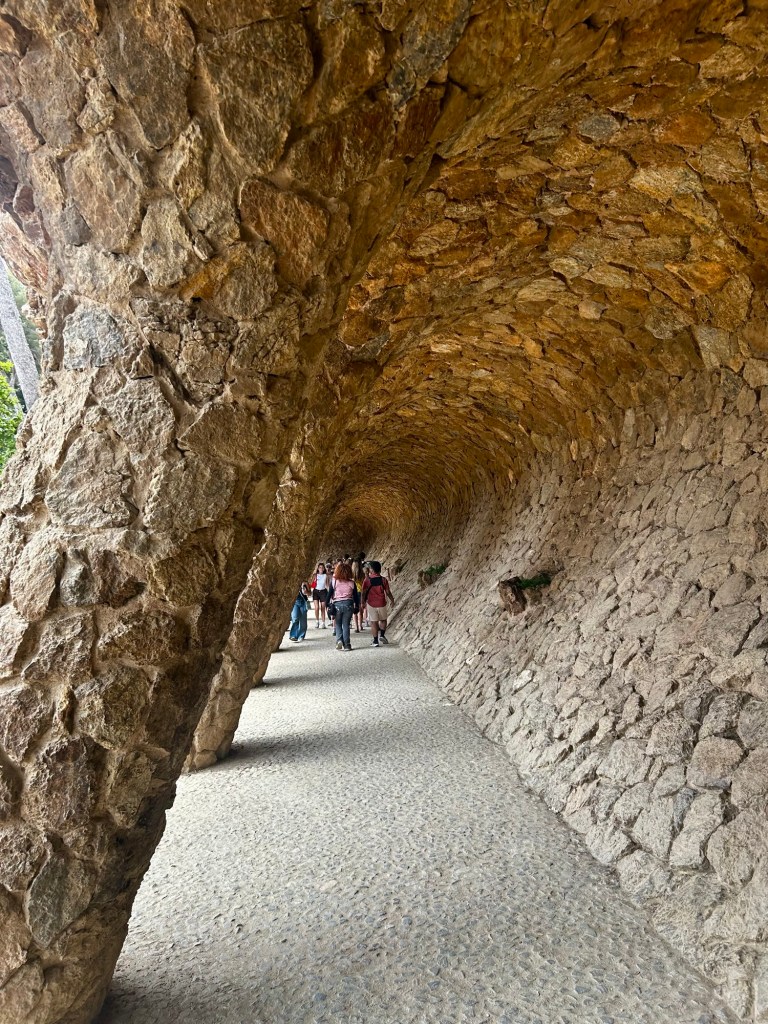
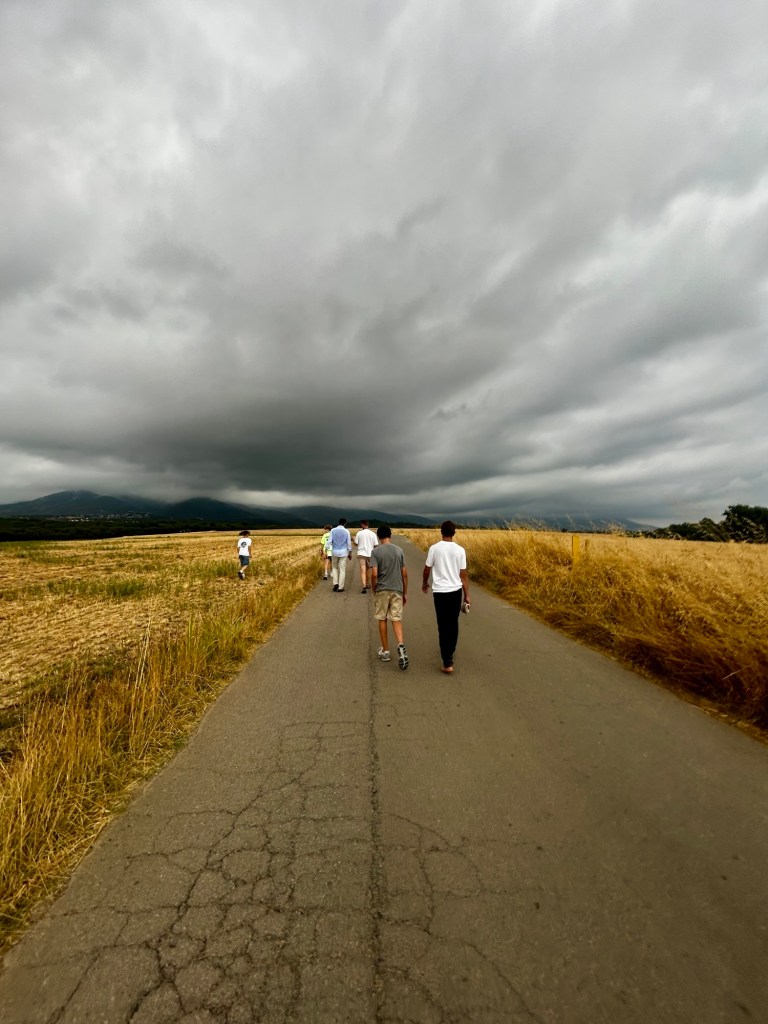
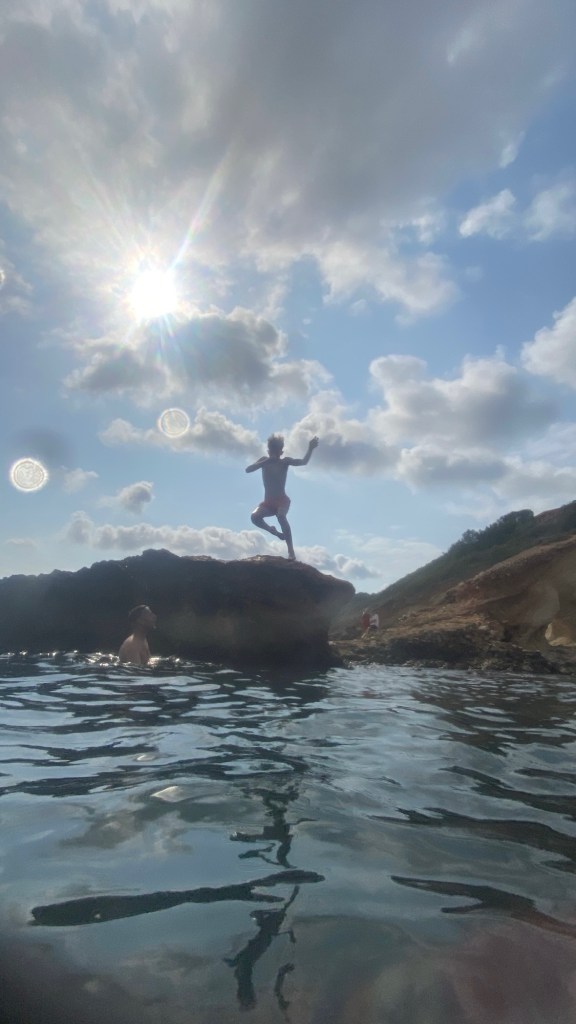
That answer will have to wait for another day…….the day when I know what the answer is, but for now here are some pics from our time away.




 theonehundredyearsproject
Leave a comment